Clarity over theater
Prefer stated assumptions to dramatic percentage claims without SKU mix or recovery paths.

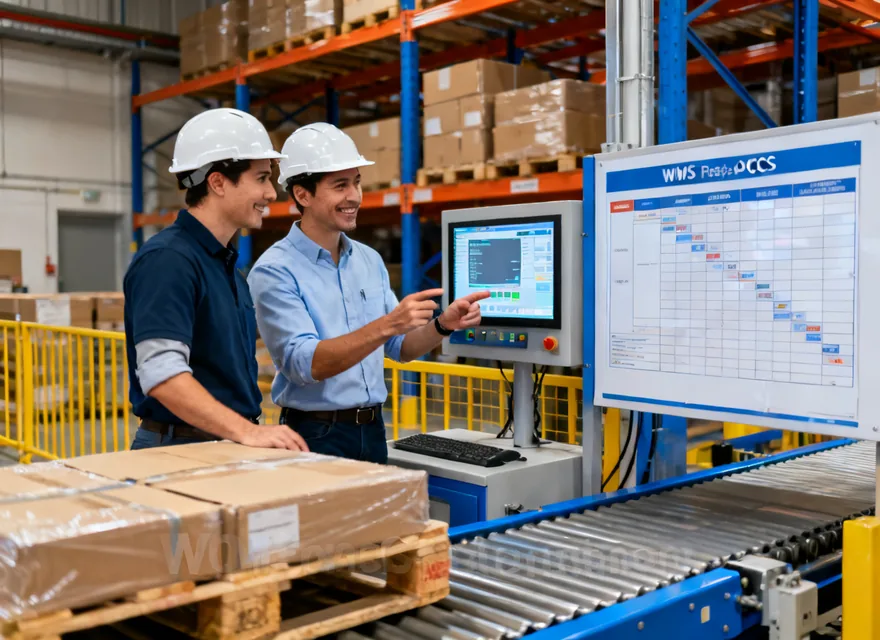
Since planning-era work that began in 1964, FORTNA has helped distribution and manufacturing teams connect WMS, WCS, WES and PLC choices to the constraints operators actually feel: load identity, buffer occupancy, peak windows, interface ownership and cutover risk.
The FORTNA approach grew from watching well-intended automation purchases fail on details that never made the purchase order: a peak claim that ignored replenishment and exception recovery, a WCS release rule that assumed flawless ASN quality, a shared AMR and conveyor route with no alarm owner. Advisors who had stood in those aisles insisted that every recommendation carry a worksheet of assumptions the customer could challenge.
“If the operating evidence is not written down, the control conversation is entertainment.”
That discipline still shapes how we talk about warehouse control integration today. Credentials such as 62 years of application work, 1,000+ people across project and support roles, service conversations spanning roughly 66 countries and a catalog depth of roughly 2,500+ configurable SKUs are planning-range figures for conversation structure—not independently verified public claims. When a certificate, issuer and scope exist for a named legal entity and configuration, those documents are presented separately from marketing language.
Customers meet FORTNA as a friendly advisor: we ask clarifying questions about SKU profiles, interface ownership, safety evidence and phased commissioning before we celebrate a platform choice. The goal is a clearer path from warehouse constraints to the right system—and a commissioning plan that protects live outbound waves.
Prefer stated assumptions to dramatic percentage claims without SKU mix or recovery paths.
Diagnostics access, maintenance routes and recovery procedures stay as important as design rate slides.
WMS, WCS, WES, PLC and fleet managers get named boundaries before shared routes go live.
Cutover windows and fallback states are part of the offer, not a post-signature surprise.
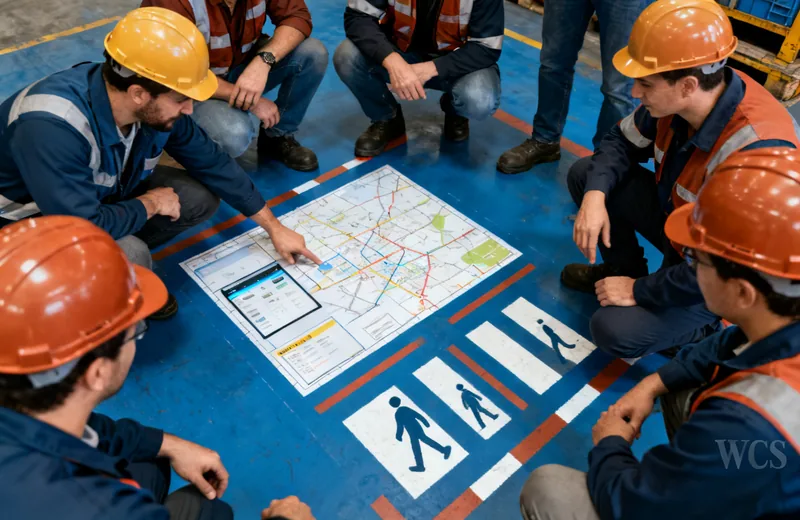
FORTNA supports customer teams with controls workshops, operator-facing release briefings and documentation packs that maintenance can actually use. Community impact here means clearer alarm ownership, safer shared aisles and fewer go-live weekends that invent procedures under pressure. The focus stays on material-flow evidence and people who move loads every shift.
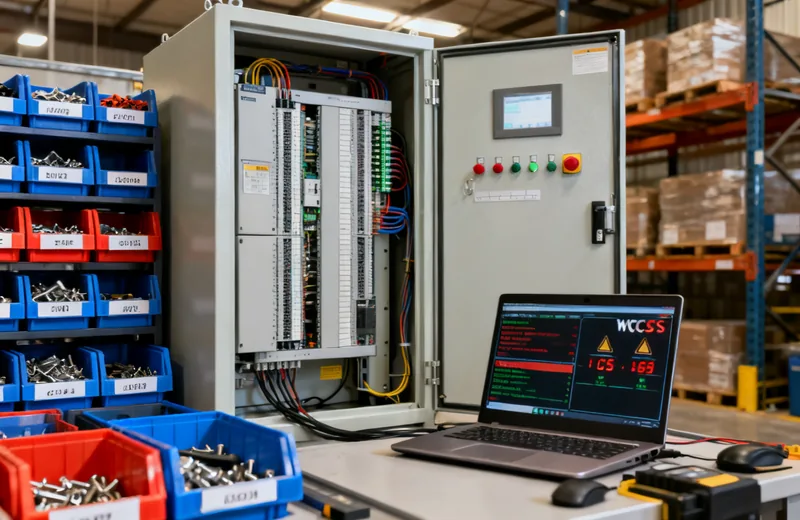
Lifecycle serviceability means maintenance access, diagnostics, critical spares and recovery procedures are visible before operational handover. Application, integration and documentation support scale by project scope rather than a one-size claim. When robot fleets share space with conveyors, exception handling is treated as a joint requirement, not a vendor afterthought.
Bring load units, peak windows, host interfaces and the cutover limits that matter most. We will help structure the rest without pretending gaps do not exist.