
WMS · WCS · WES · PLC handshakes

FORTNA warehouse control integration with a clearer path from constraints to cutover

Capture load units, SKU and order profiles, peak windows, WMS/WCS/WES/PLC ownership and acceptance evidence before capital commits. FORTNA keeps evaluation tied to the material-flow map your distribution center actually runs—practical guidance for loads, routes, interfaces, safety evidence and phased commissioning.

Warehouse material flow map from receiving through shipping with control handoffs
  • Receive
  • Store
  • Pick
  • Sort
  • Ship
Product by flow stage

FORTNA control modules organized the way material moves

Instead of stacking abstract technology brands, FORTNA groups warehouse control conversations around Receive, Store, Move, Pick, Sort and Ship so interface ownership stays visible at every handoff.

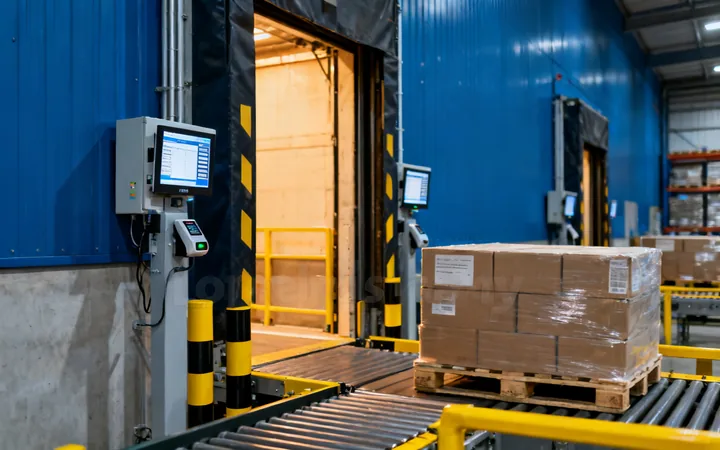
Inbound dock induction with WCS release screens

Receive — induction and host release

Qualify ASN quality, load identity, quarantine holds and buffer capacity before WCS releases cartons or pallets into the network. Peak inbound windows are stated with accumulation limits and exception recovery so dock claims stay testable.

Inquire about receive logic

AS/RS aisle with location codes and WCS status

Store — location and replenishment ownership

Document who owns putaway rules, selectivity, fire-access constraints and replenishment triggers across WMS and WCS. Density gains are reviewed with maintenance access and expansion paths, not only cube utilization slides.

Inquire about store logic
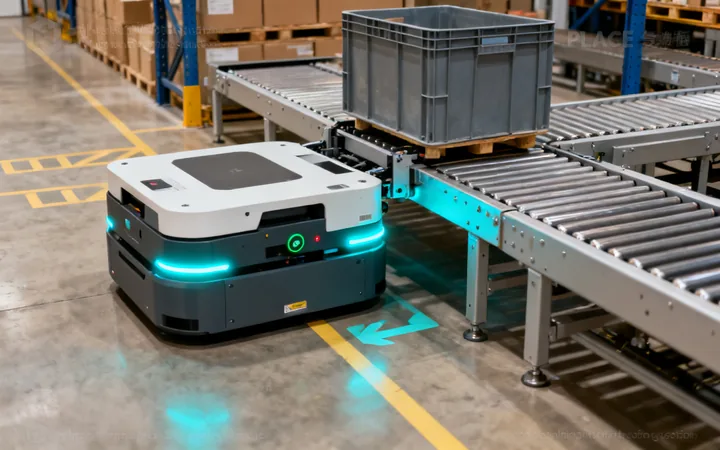
AMR and conveyor transfer with fleet management handshake

Move — transport tasks and fleet handshakes

Clarify AGV/AMR task assignment, PLC confirmations, timeouts and alarm ownership when mobile robots share routes with conveyors. Buffer occupancy and fallback states are written before go-live weekends invent procedures.

Inquire about move logic
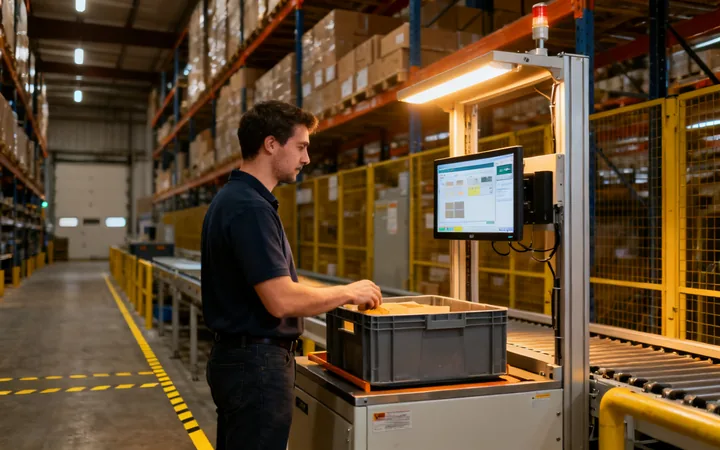
Goods-to-person station with work release screen

Pick — wave release and work presentation

Tie order lines per hour claims to SKU velocity, multi-line share, replenishment cadence and exception recovery. FORTNA keeps WES work presentation aligned with the physical station geometry your operators will use.

Inquire about pick logic
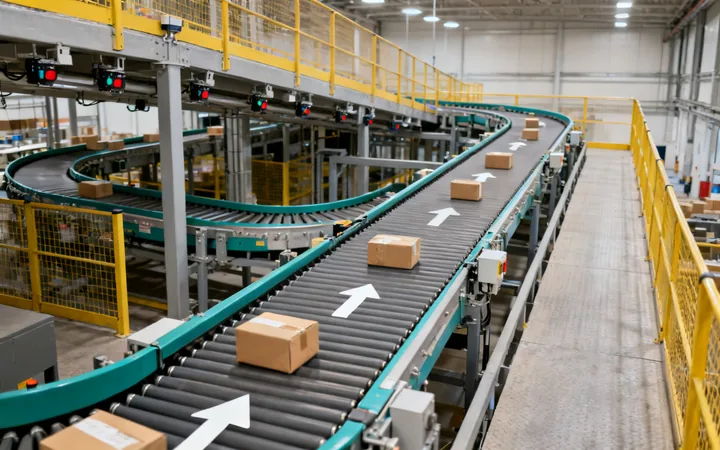
Cross-belt sorter with divert confirmation sensors

Sort — divert accuracy and merge logic

Map divert confirmation, recirculation and induction balance to destination capacity. Merge logic and zero-pressure accumulation boundaries are reviewed as control responsibilities, not only mechanical options.

Inquire about sort logic
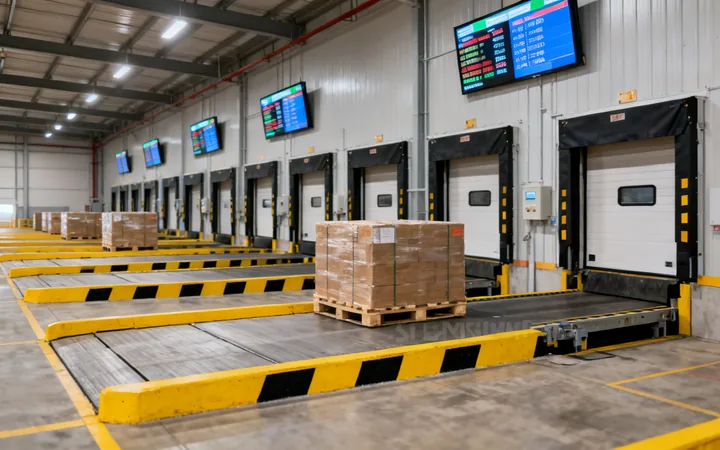
Outbound staging lanes with door assignment screens

Ship — staging, doors and cutover windows

Connect wave release to door capacity, trailer constraints and brownfield cutover windows. Acceptance cases include fallback states so live outbound waves stay protected when a subsystem cannot confirm.

Inquire about ship logic
Why teams ask FORTNA early

Four advantages you can audit in the project file

01

Controls Responsibility Matrix

Document WMS, WCS, WES, PLC and fleet-management ownership, handshakes, alarms and FAT/SAT evidence so no layer invents retries under peak pressure.

02

Throughput Validation

Validate rate against SKU mix, order profile, peak window, accumulation, replenishment and exception recovery instead of brochure order lines per hour.

03

Phased Project Delivery

Protect live operations with controlled cutover, fallback states, commissioning windows and measurable acceptance gates that operations can rehearse.

04

Lifecycle Serviceability

Keep maintenance access, diagnostics, critical spares and recovery procedures visible before operational handover—not after an early weekend incident.

Design rate Profile-bound

Throughput stated with SKU mix, order lines, replenishment, accumulation and the peak window length under test.

Rate inputs →
FAT Interface-bound

Command, confirmation, timeout, alarm and recovery ownership checked against the WMS/WCS/PLC matrix before shipment.

FAT path →
SAT Site-bound

End-to-end flow verified with installed geometry, live loads, exception cases and agreed fallback states.

SAT path →
Service response Scope-bound

Diagnostics access, critical spares and recovery procedures documented before operational handover.

Service boundary →
Operating profiles

Industries where FORTNA starts from the flow model

Each vertical brings a different SKU depth, peak factor and exception pattern. FORTNA starts with those operating facts before recommending control layers.

E-commerce fulfillment

High SKU depth and short cutoffs stress induction balance, sorter recirculation and WCS release logic during peak hours.

Grocery distribution

Store-order sequencing, mixed tote and pallet flows and temperature zones change buffer sizing and exception routing.

Manufacturing supply

Line-side deliveries need takt alignment, load identity and a defined response when a workcell cannot receive material.

Pharmaceutical fulfillment

Traceability and controlled access must stay attached to physical handoffs, quarantine locations and recovery records.

Cold chain storage

Sensor behavior, maintenance access and duty cycles are reviewed at the stated temperature band with recovery paths labeled.

Regional DCs

Brownfield conveyors, shared docks and phased cutover windows define which automation layers can go live first.

Compare operating profiles →
Flow-data RFQ

Send the five FORTNA inputs that unlock a useful evaluation

Generic brochure rates stall decisions. Share the operating boundary so controls, mechanical and site teams can review the same record before capital commits.

Contact engineering
  1. Load unit definition and weight bands
  2. SKU depth and order-line profile
  3. Peak rate with window length
  4. WMS / WCS / WES / PLC interface list
  5. Site constraints and cutover limits